
Operating a direct retail store in India requires strict adherence to multi-state GST regulations. As soon as your store ships packages across state borders or fulfills single consignments valued over ₹50,000, manual invoice writing becomes an operational bottleneck that slows down warehouse fulfillment.
1. Core Compliance Challenges
- Interstate vs Intrastate Rules: Determining whether to charge CGST + SGST (when customer state matches warehouse state) or IGST (interstate dispatch) on variable product discount baskets.
- Mandatory E-Way Bill Thresholds: Packages exceeding ₹50,000 invoice value require active E-Way bills generated from the government NIC portal prior to handover to courier riders.
- RTO Credit Notes: Proper issuance and accounting of credit notes when a customer refuses a COD parcel to offset output tax liability in monthly GSTR-1 filings.
2. Automated Pipeline Blueprint
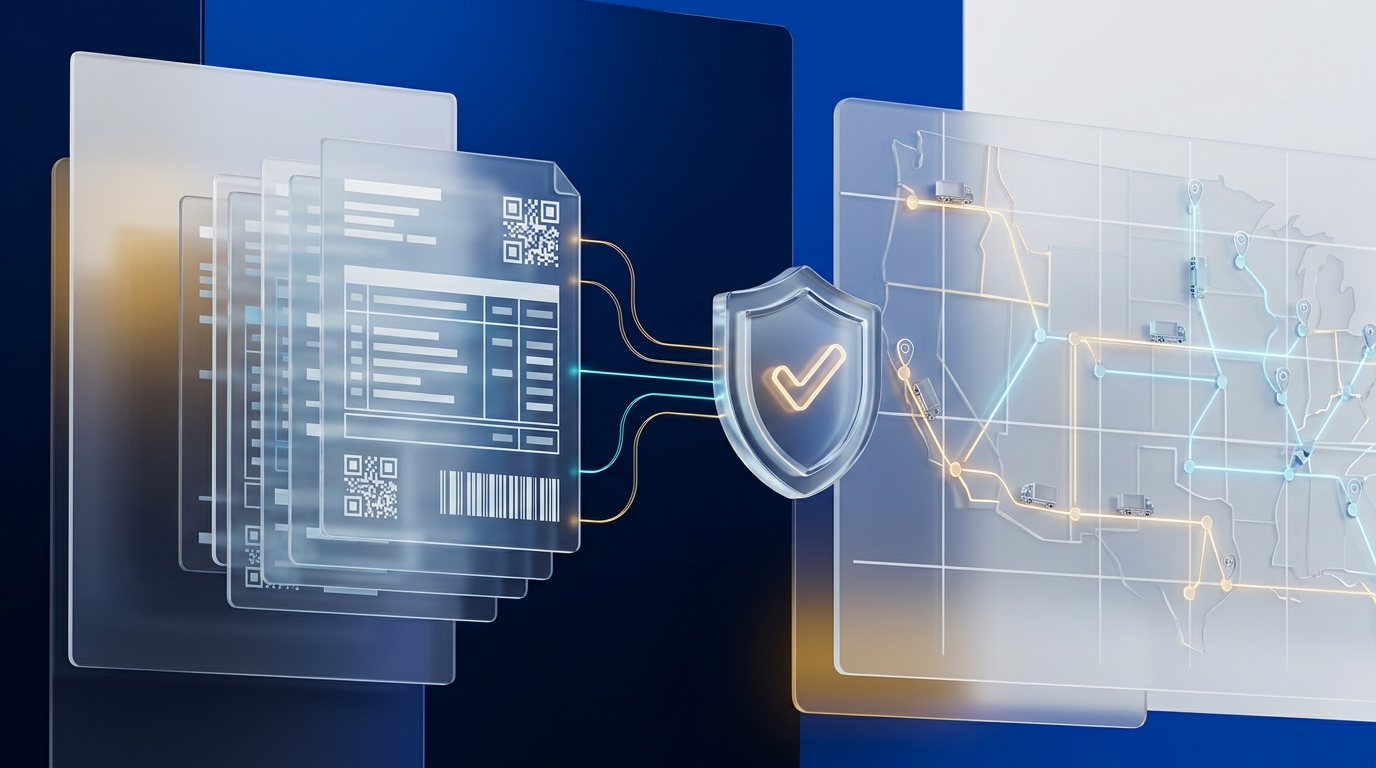
In the Cyberried Business Tracker, order webhook events automatically populate clean HSN tax schedules, calculate round-off adjustments, generate GST-compliant PDF tax invoices, and prepare monthly GSTR-1 ready reports with a single click.
Simplify Your Store\'s Tax & Ledger Workflows
Access automated GST reporting and month-close reconciliation tools.