
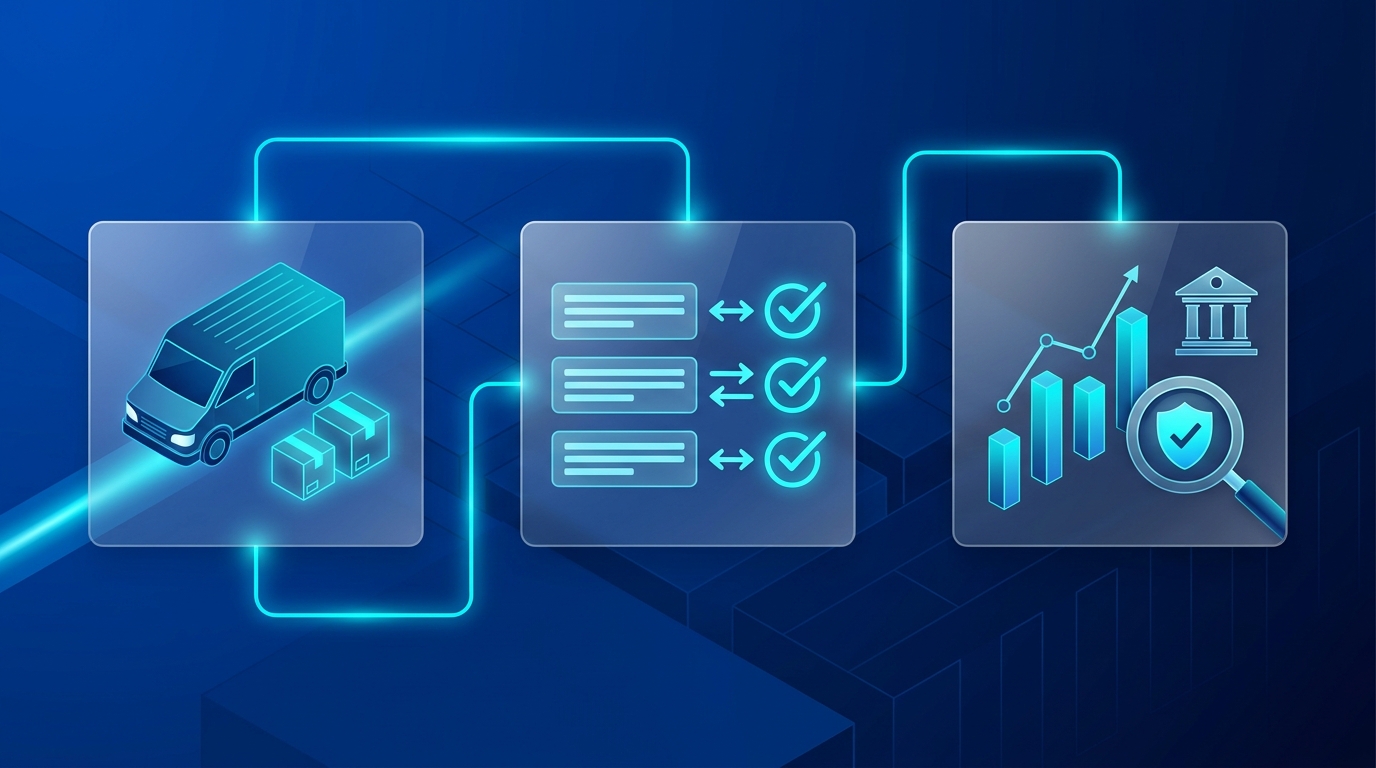
In the fast-moving direct-to-consumer (D2C) retail ecosystem in India, brands celebrating high top-line revenues frequently run into critical cash-flow gridlocks. Founders often assume marketing acquisition costs or inventory bloat are the culprits. In reality, in 8 out of 10 e-commerce audits we conduct at Cyberried Technologies, the true culprit is the silent, insidious drain of unreconciled Cash-on-Delivery (COD) remittances and courier freight overcharges.
1. The Three Mechanisms of Invisible Margin Bleed
When an online store dispatches hundreds of shipments daily through aggregator or direct courier networks (Delhivery, Shiprocket, BlueDart, Xpressbees), tracking every parcel\'s individual financial settlement manually becomes impossible. This operational fog gives rise to three major leakages:
Volumetric Weight Creep
Couriers routinely escalate package dimensions at automated transit hub scanners. A 450-gram apparel pouch gets re-classified at 1.5 kg, quietly tripling shipping deductions.
Uncredited UTR Batches
Courier remittance advice files show "Remitted", but actual NEFT/RTGS bank credits fall short or fail to deposit into your bank account due to unverified penalty holds.
Fake Attempt RTO Freight
Rider fake delivery attempts ("Customer Not Available" with no phone call) trigger automatic return-to-origin, billing two-way shipping fees with zero merchant defense.
2. Real-World Audit Data: ₹10 Lakh COD Case Study
Consider a standard emerging lifestyle brand shipping ₹10,00,000 worth of COD orders monthly across Indian tier-2 and tier-3 locations:
| Category | Standard Unaudited Operations | With Automated Tri-Way Auditing | Margin Recovered |
|---|---|---|---|
| Weight Discrepancy Deductions | -₹42,500 (Ignored / Expired) | ₹36,200 Disputed & Refunded | +₹36,200 |
| Missing Remittance UTRs | -₹68,400 (Unmatched ledger) | 100% Tracked & Credited | +₹68,400 |
| Unjustified NDR RTO Charges | -₹38,000 (Dead return freight) | Instant WhatsApp Re-attempt | +₹24,500 |
| Total Monthly Net Recovery | -₹1,48,900 Loss | Audited & Recovered | +₹1,29,100 / Month |
3. The Algorithmic Tri-Way Matching Framework
To permanently eliminate this leakage, Cyberried engineered an automated tripartite data reconciliation engine inside the Cyberried Business Tracker (Ops Portal):
4. Key Takeaways for D2C Operators
- Never accept consolidated remittances: Insist on order-by-order AWB reconciliation against your bank statement UTR credits.
- Dispute weight within 72 hours: Most Indian couriers have strict automated dispute rejection clauses if claims are submitted after 3 to 4 days.
- Deploy automated FinOps software: Replace manual spreadsheets with specialized operating systems that flag discrepancies automatically.
Audit Your Store\'s COD Ledgers Automatically
Explore the live Cyberried Business Tracker OS deployed for fast-growing direct merchants.